
When Railroad Tracks Become Turtle Traps
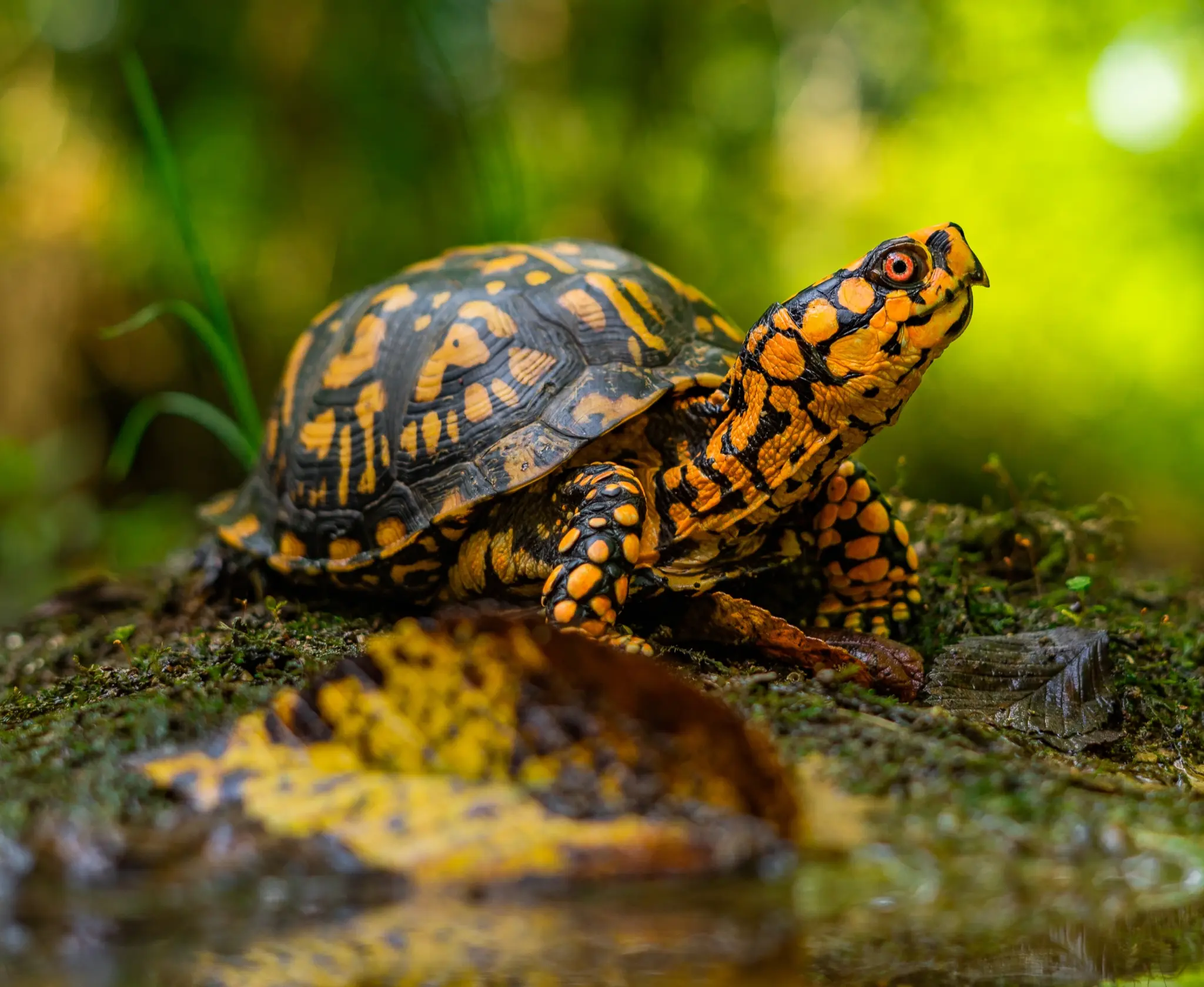
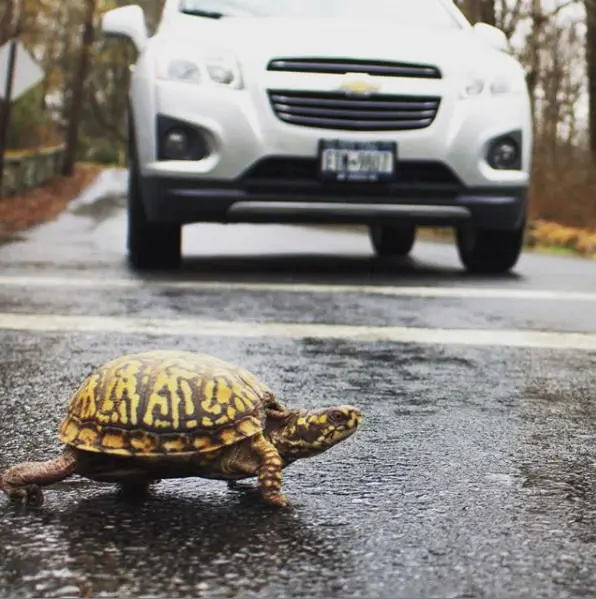
Roads are obvious dangers for turtles, but railroad tracks can also become barriers and traps, especially for box turtles moving at ground level.
Practical perspectives on conservation biology, field ecology, invasive species, long-term research, scientific writing, grant strategy, and science communication from Michael E. Dorcas, Ph.D. Drawing on more than three decades of research, publishing, peer review, teaching, and consulting, these articles explore how science is done, how evidence is interpreted, and how research can be communicated clearly and effectively.

Roads are obvious dangers for turtles, but railroad tracks can also become barriers and traps, especially for box turtles moving at ground level.

Moving a box turtle to a “better” place may seem helpful, but relocation can disrupt home-range behavior, increase movement, and expose turtles to greater risk.

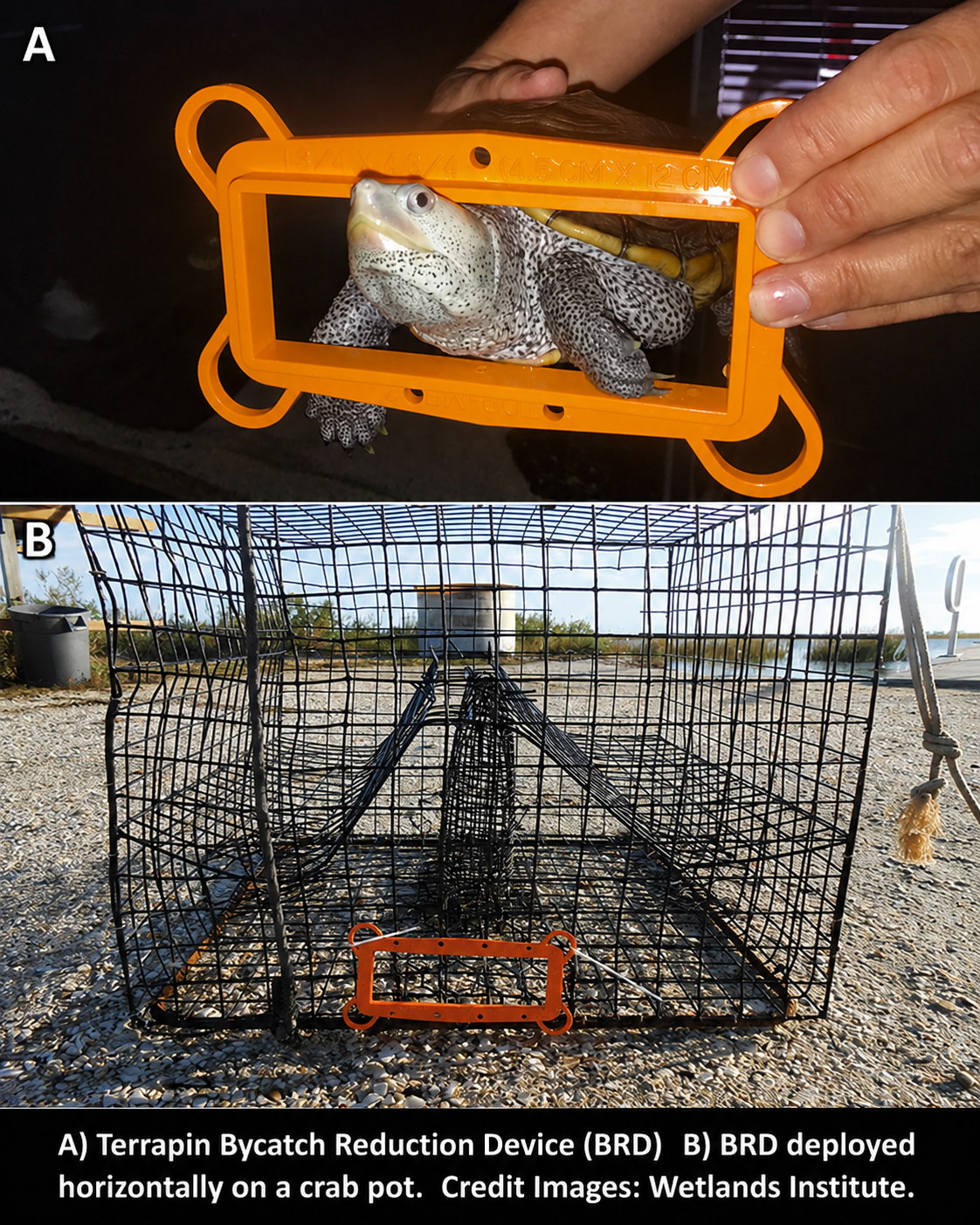
Sea turtle TEDs and terrapin BRDs are different devices for different fisheries, but they share the same conservation principle: modify fishing gear so the fishery can continue while reducing predictable turtle mortality.

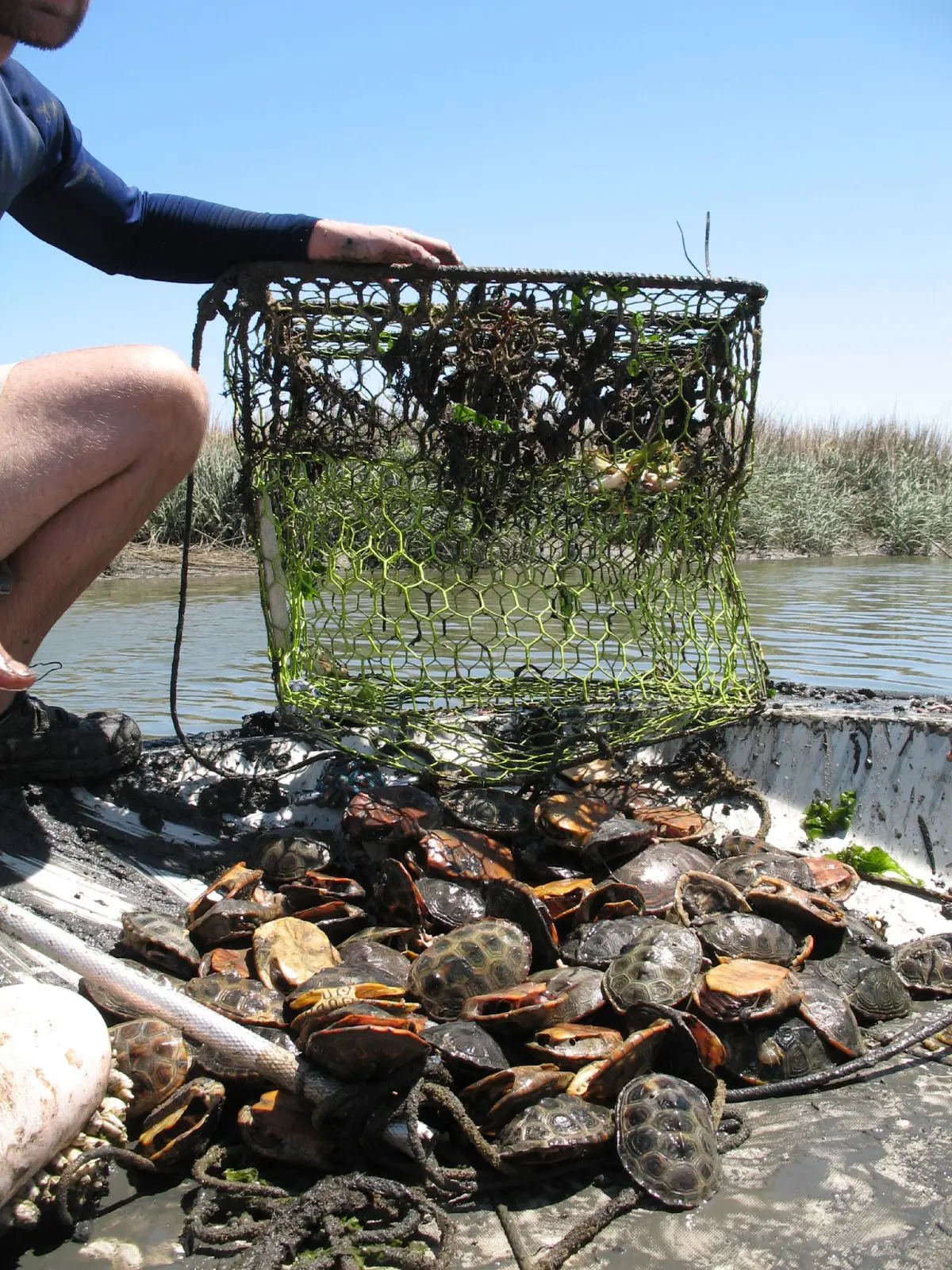
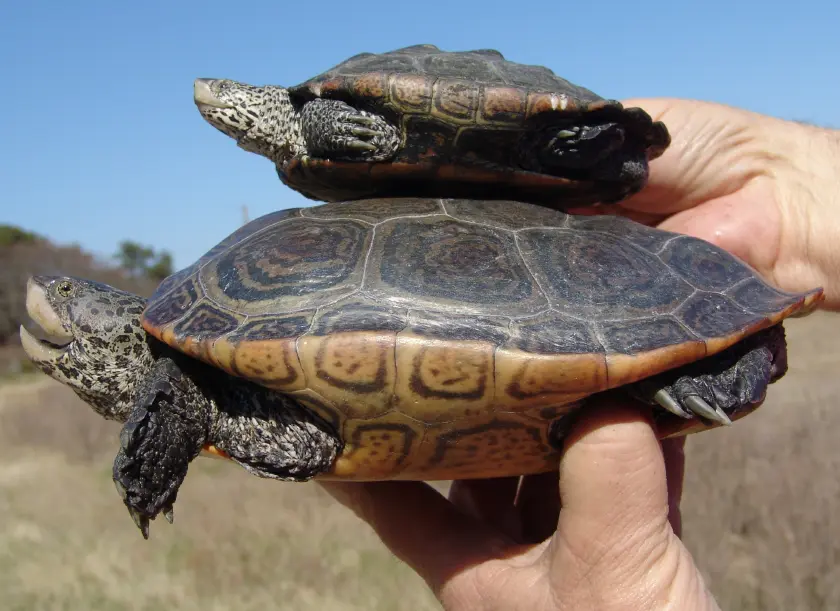
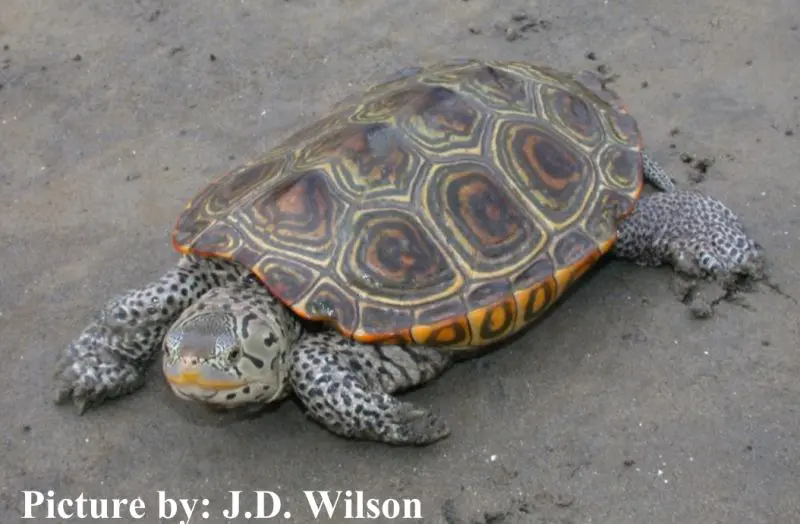
Diamondback terrapins have a slow life-history strategy: high nest and hatchling mortality, delayed maturity, and long adult lifespans. That means crab-pot mortality of subadults and adults can have serious consequences for population stability.

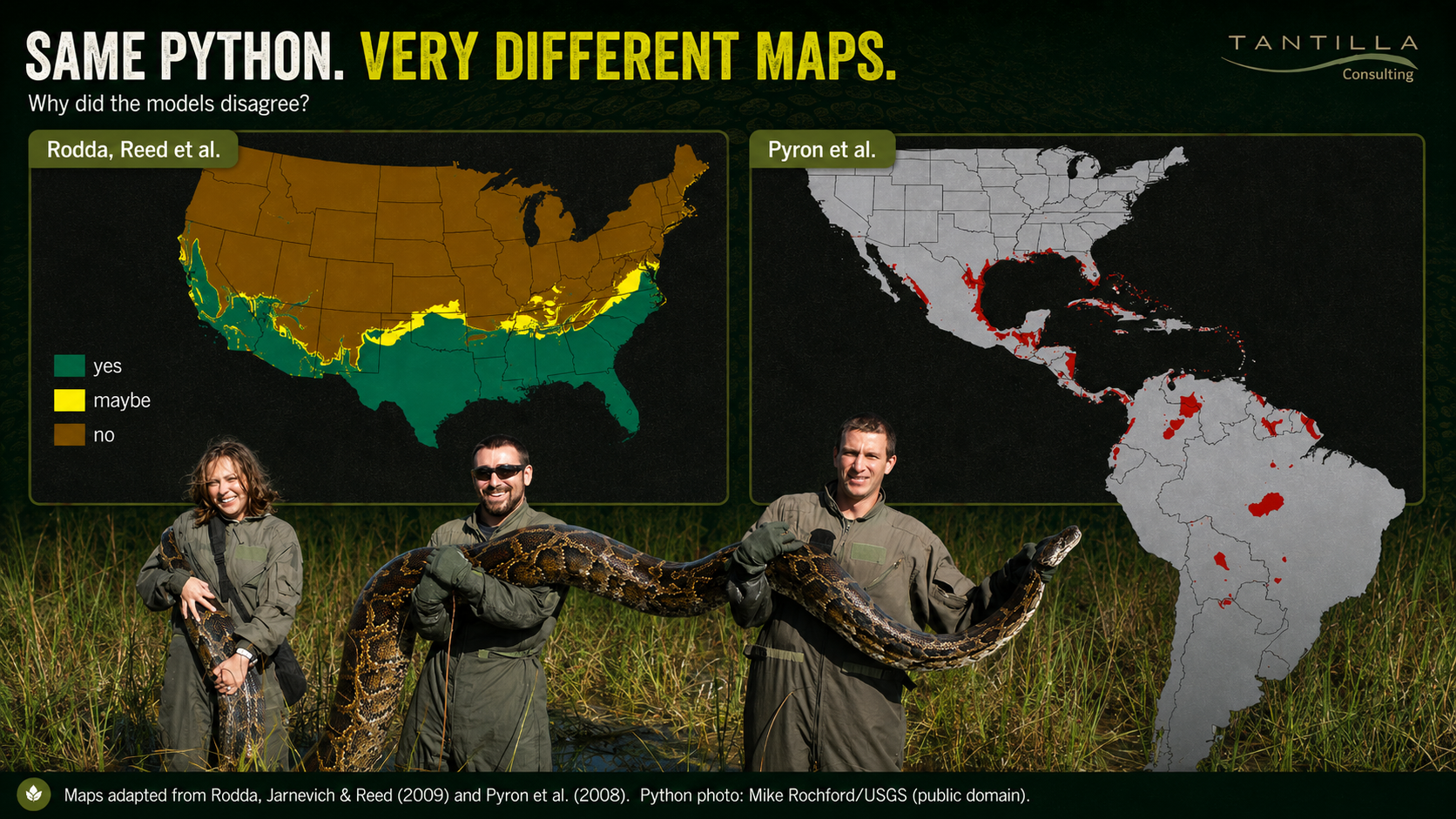
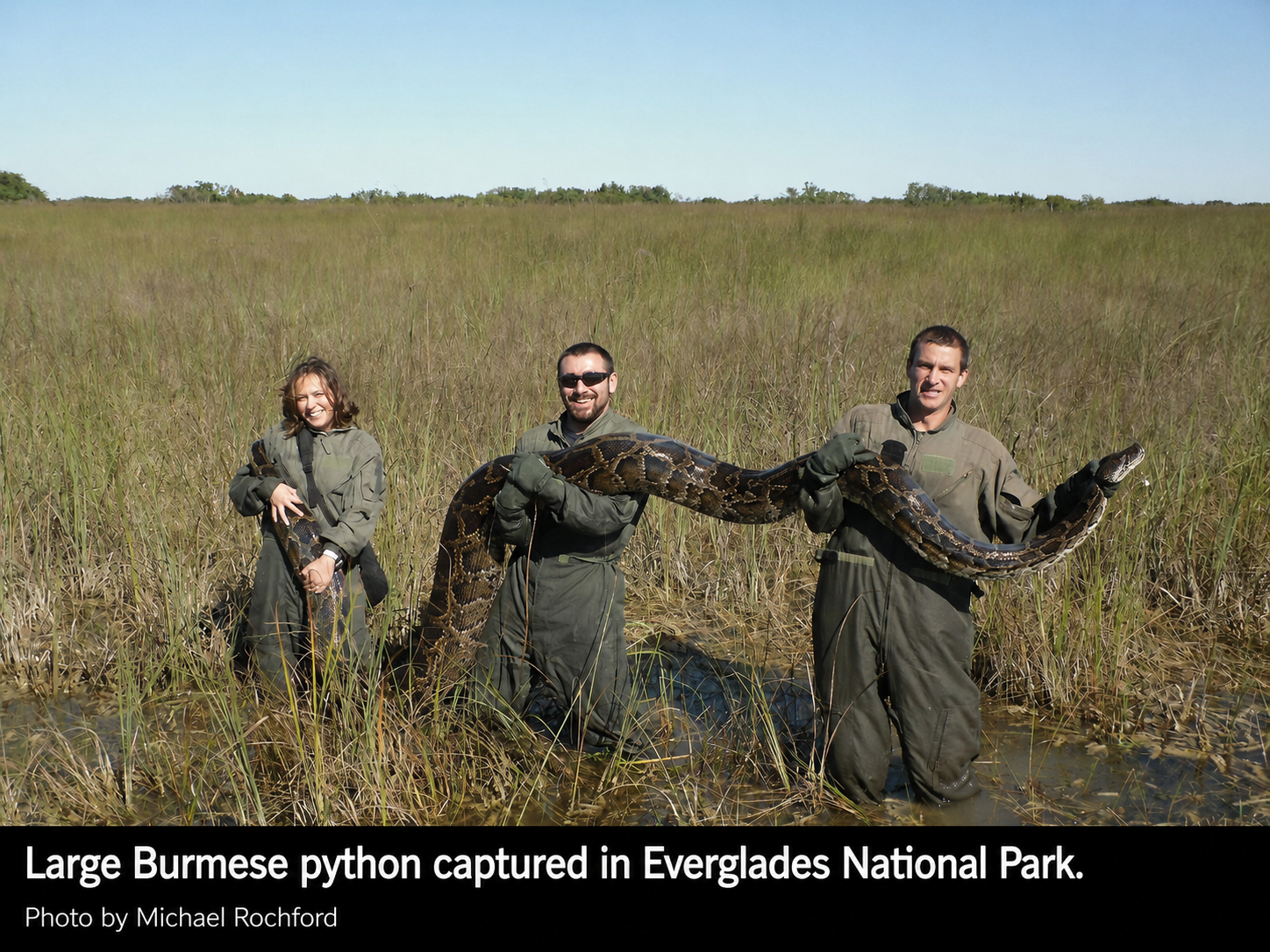
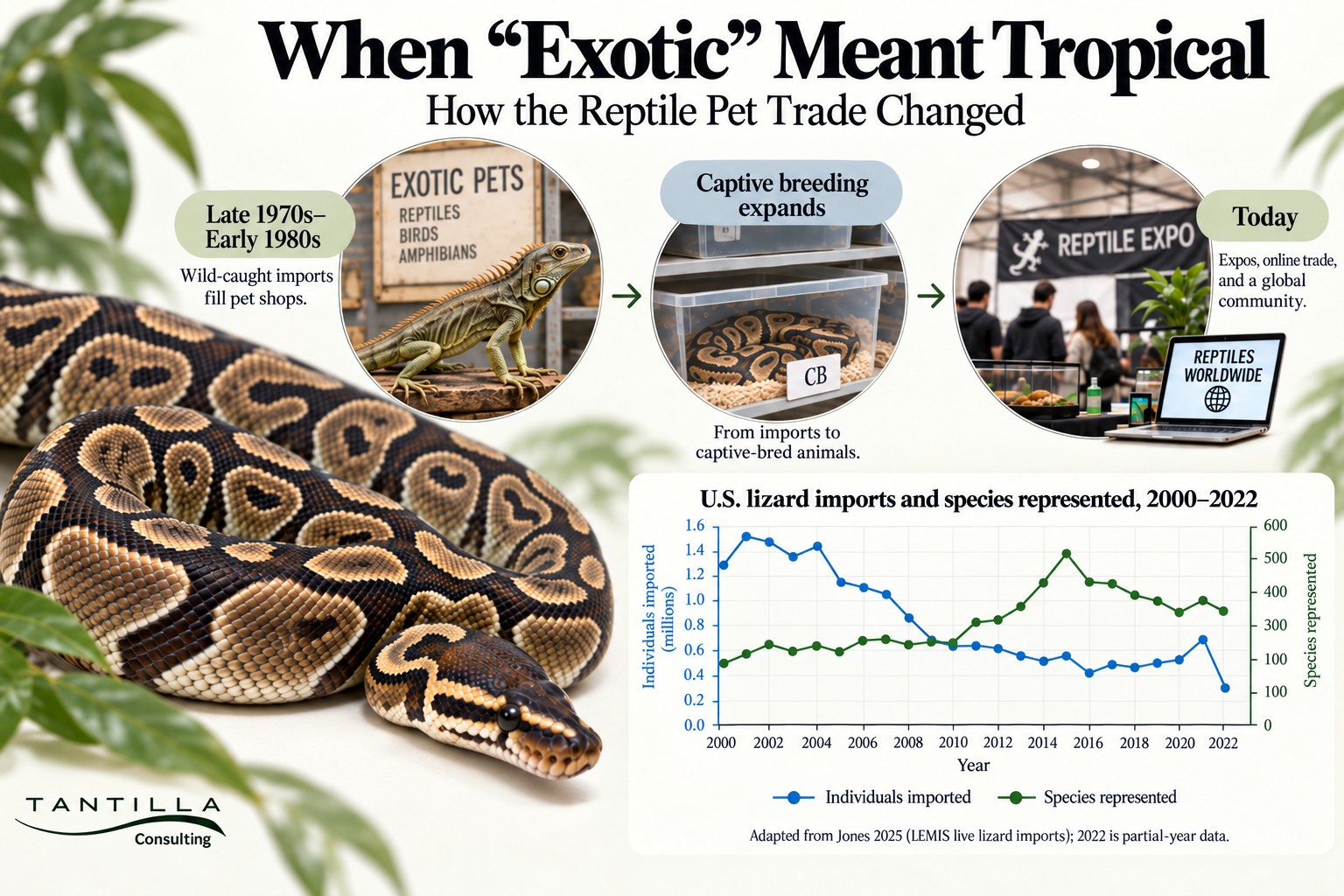
People often ask what should be done with Burmese pythons after they are captured. But the harder problem is not using dead pythons — it is finding enough live ones to meaningfully reduce the population.

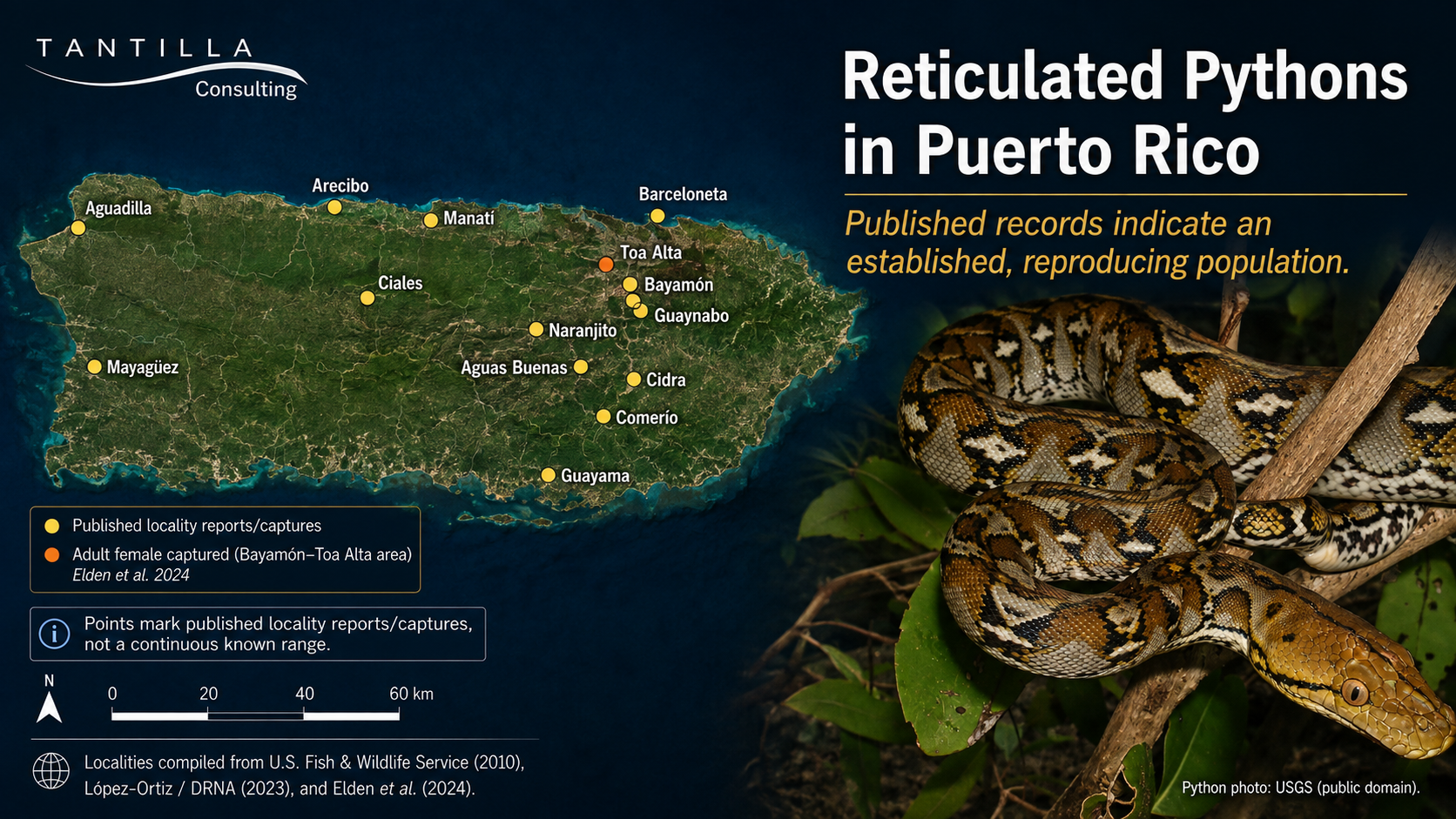
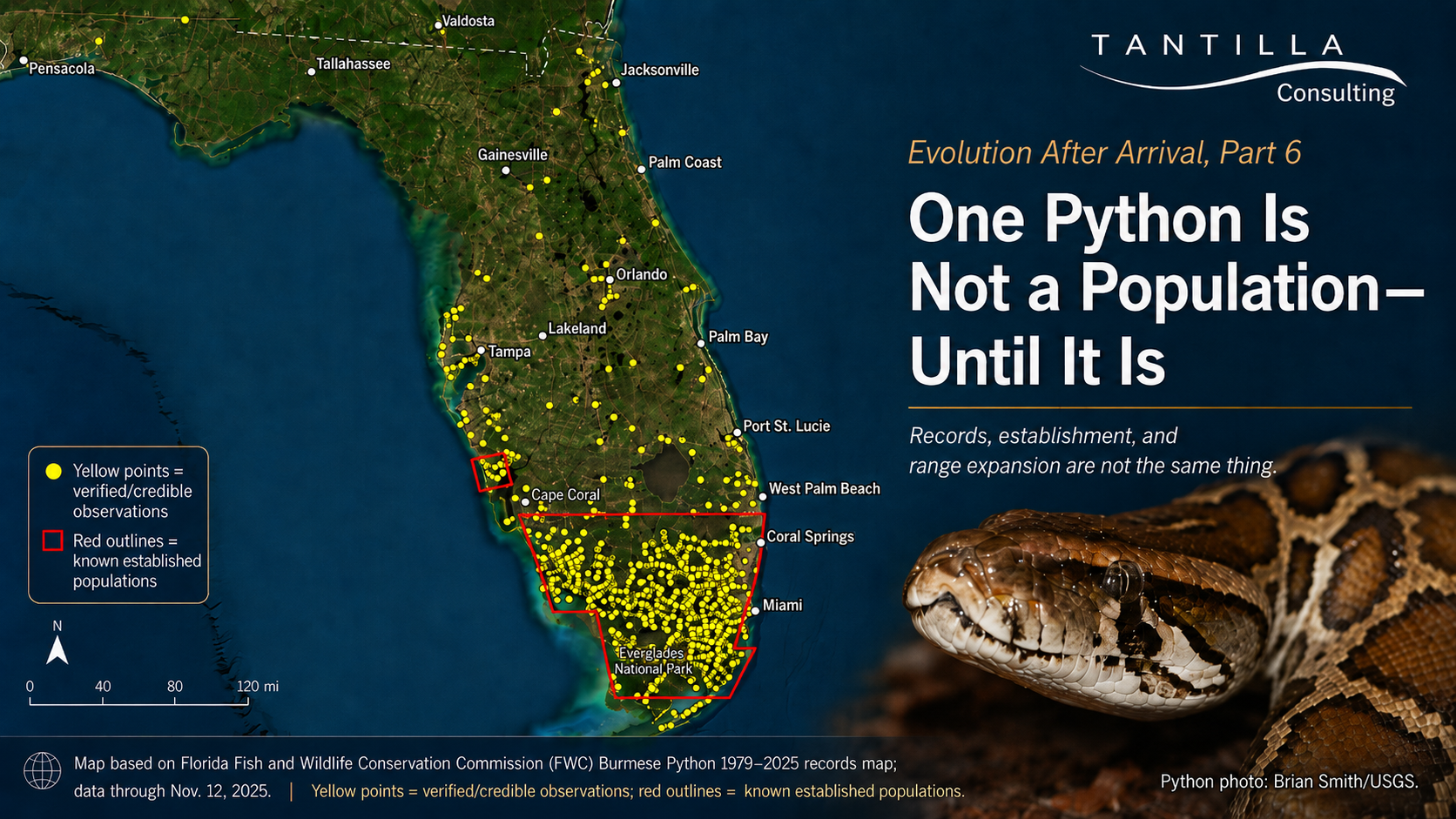
Not every nonnative species becomes invasive. Understanding the difference among introduced, established, and invasive species is essential for interpreting biological invasions, including Burmese pythons in Florida.

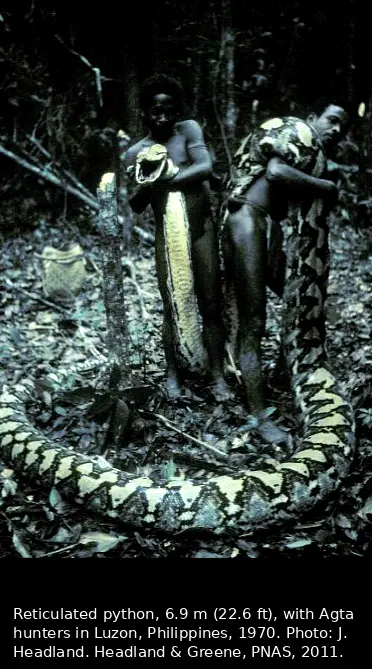
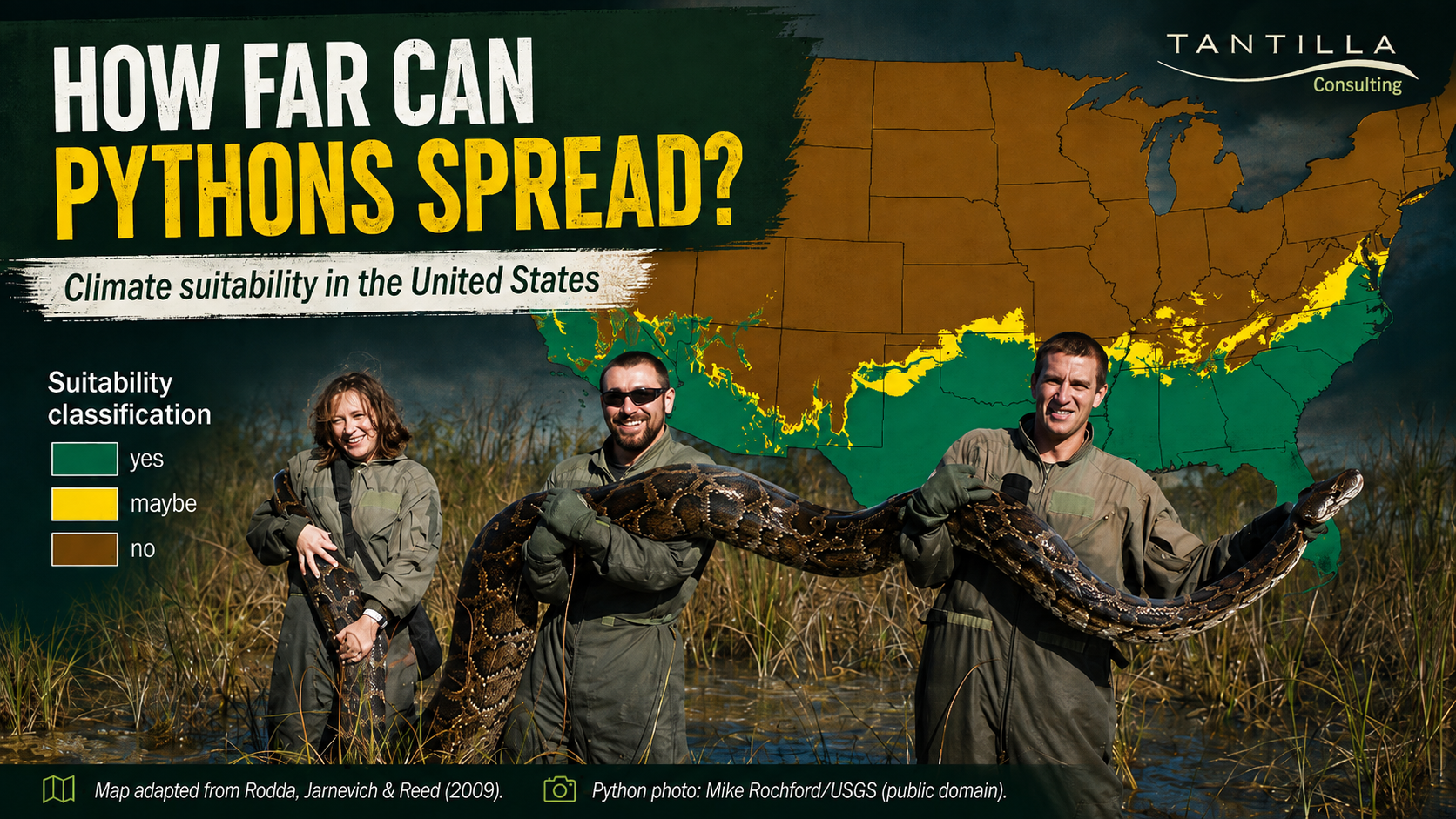
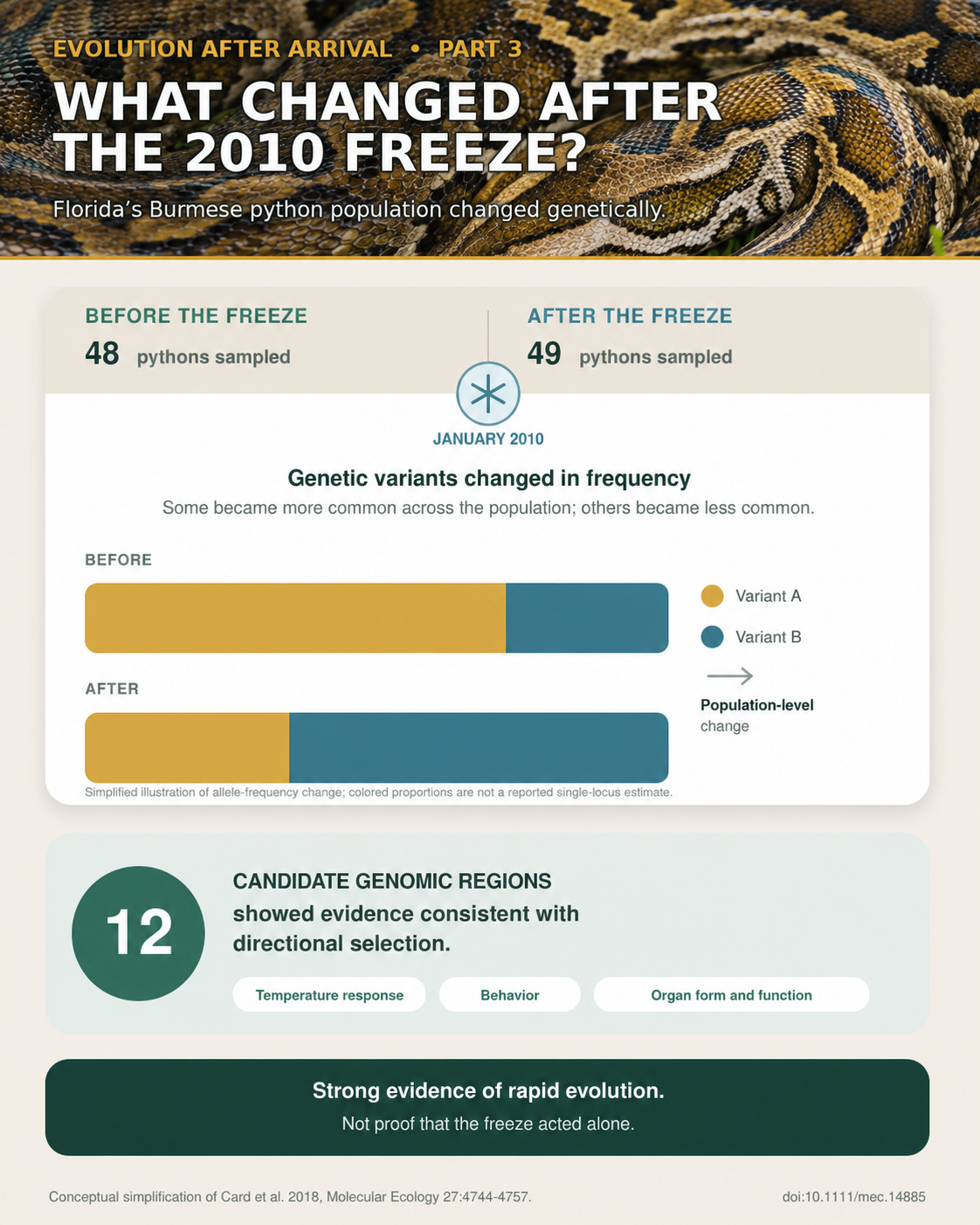
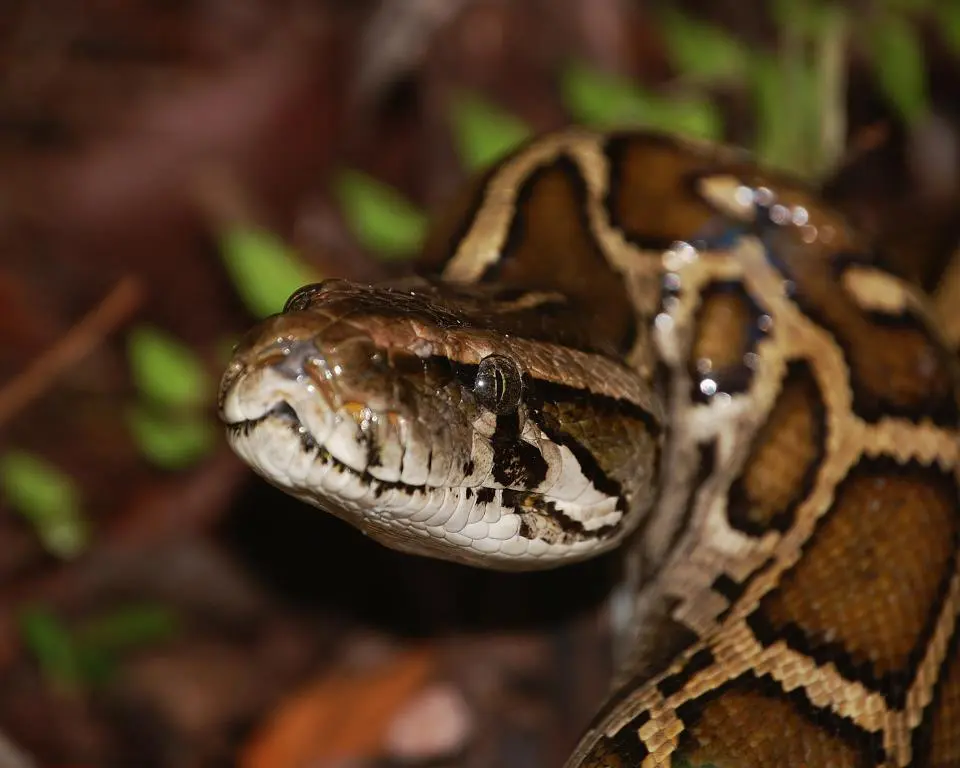
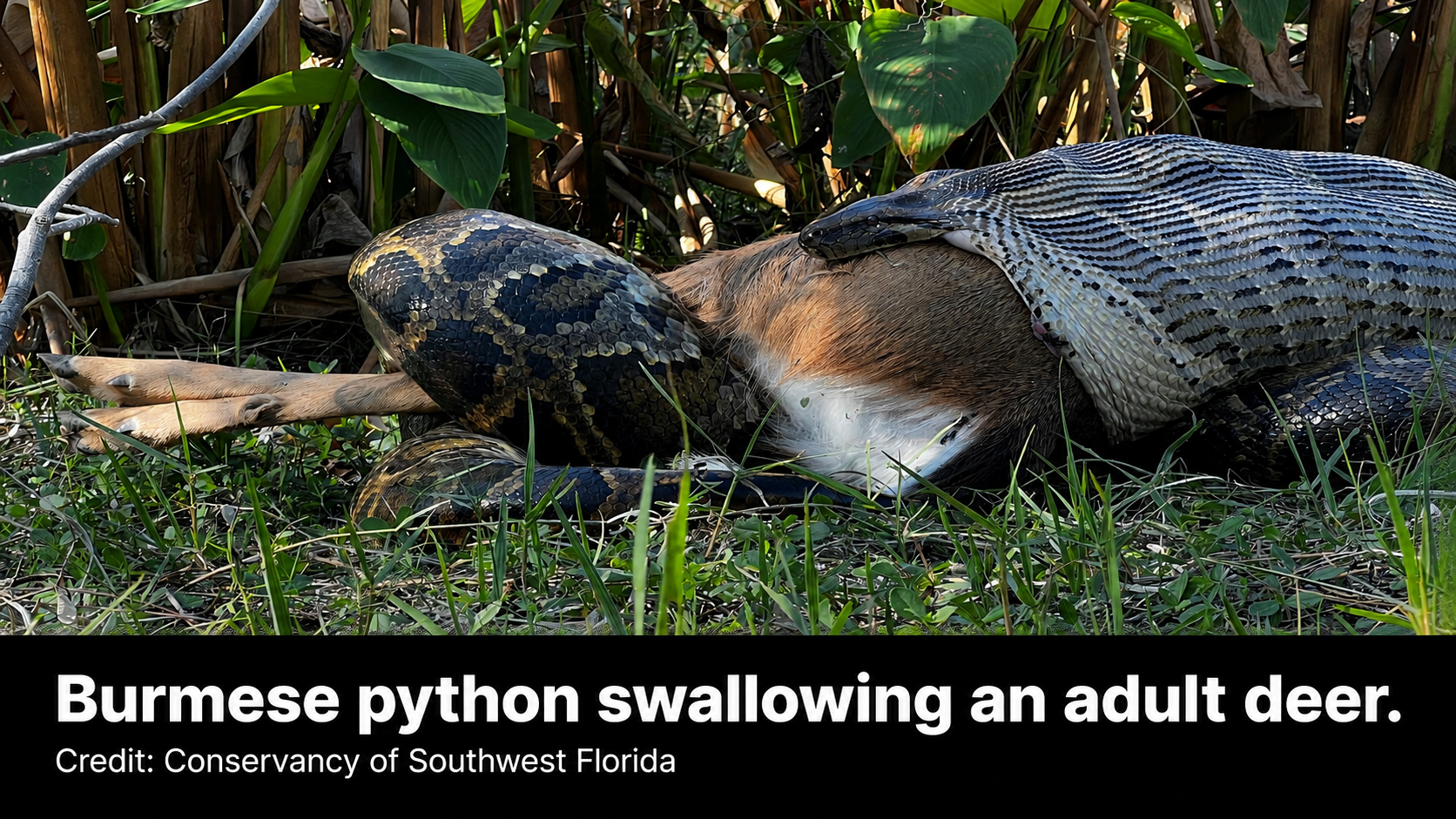
Burmese pythons once seemed like unlikely large-scale invaders, but their size, diet, reproduction, maternal care, low energy needs, and low detectability help explain why they became such a formidable ecological problem in Florida.

Large Burmese pythons are physically capable of killing a person, but no human death has been attributed to a wild python in Florida. The real question is how to think clearly about low-probability but real risks.

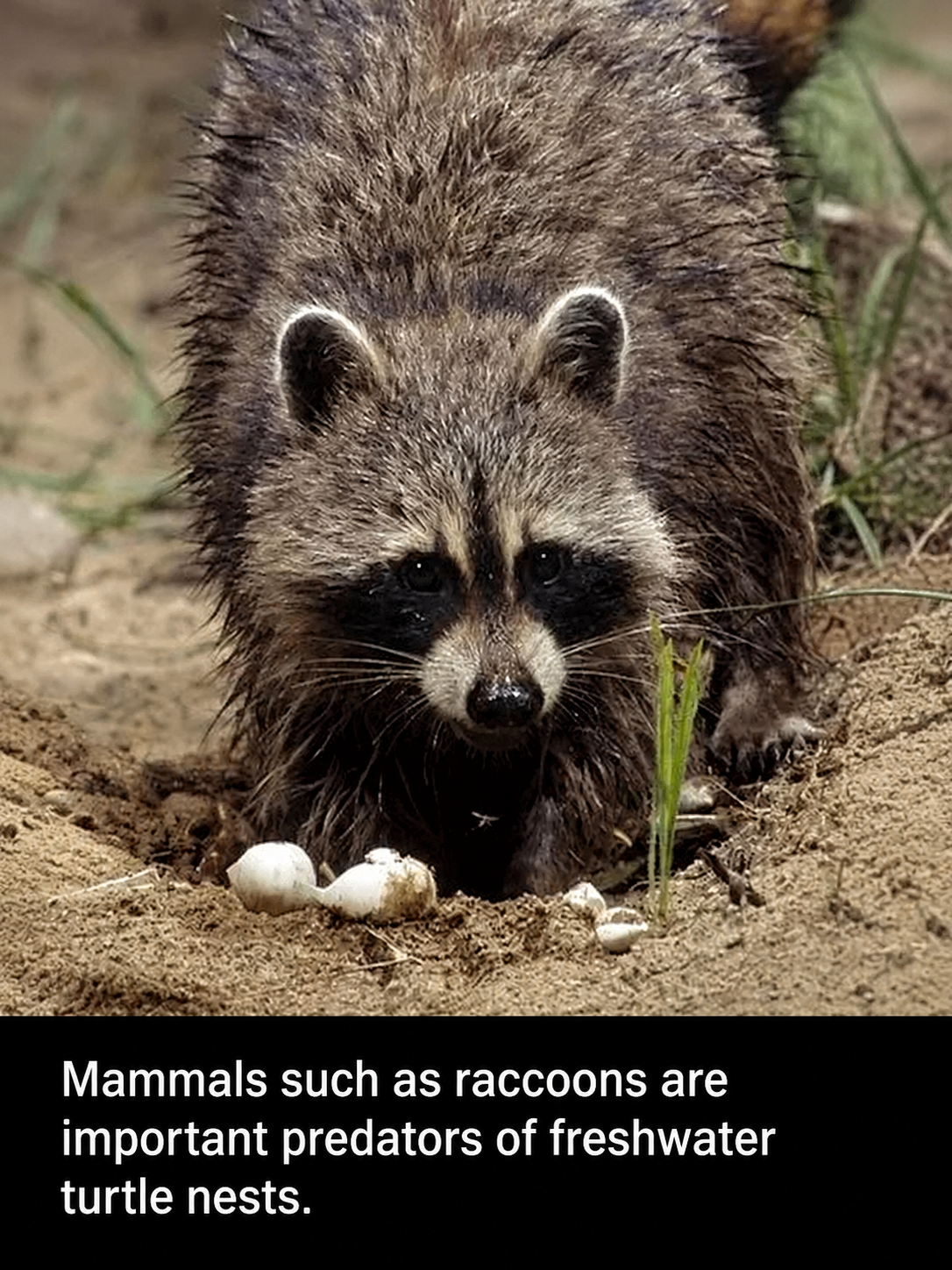
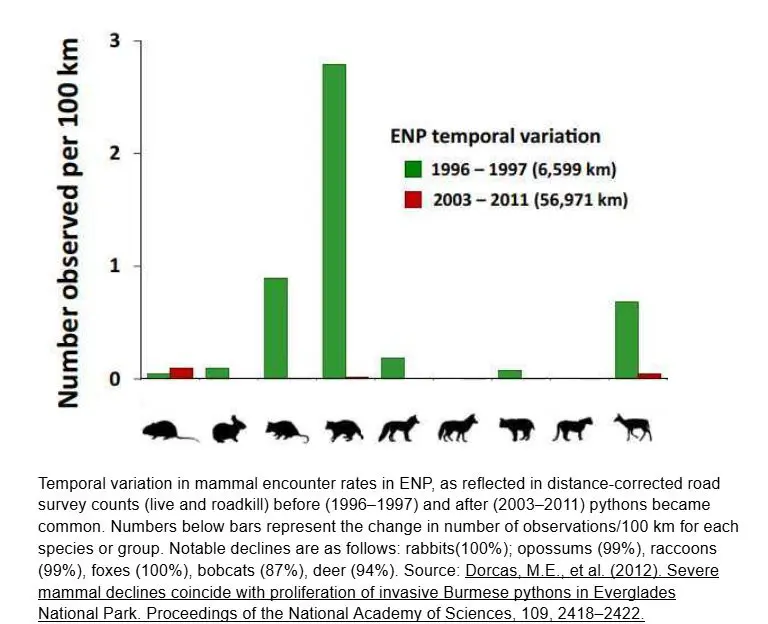
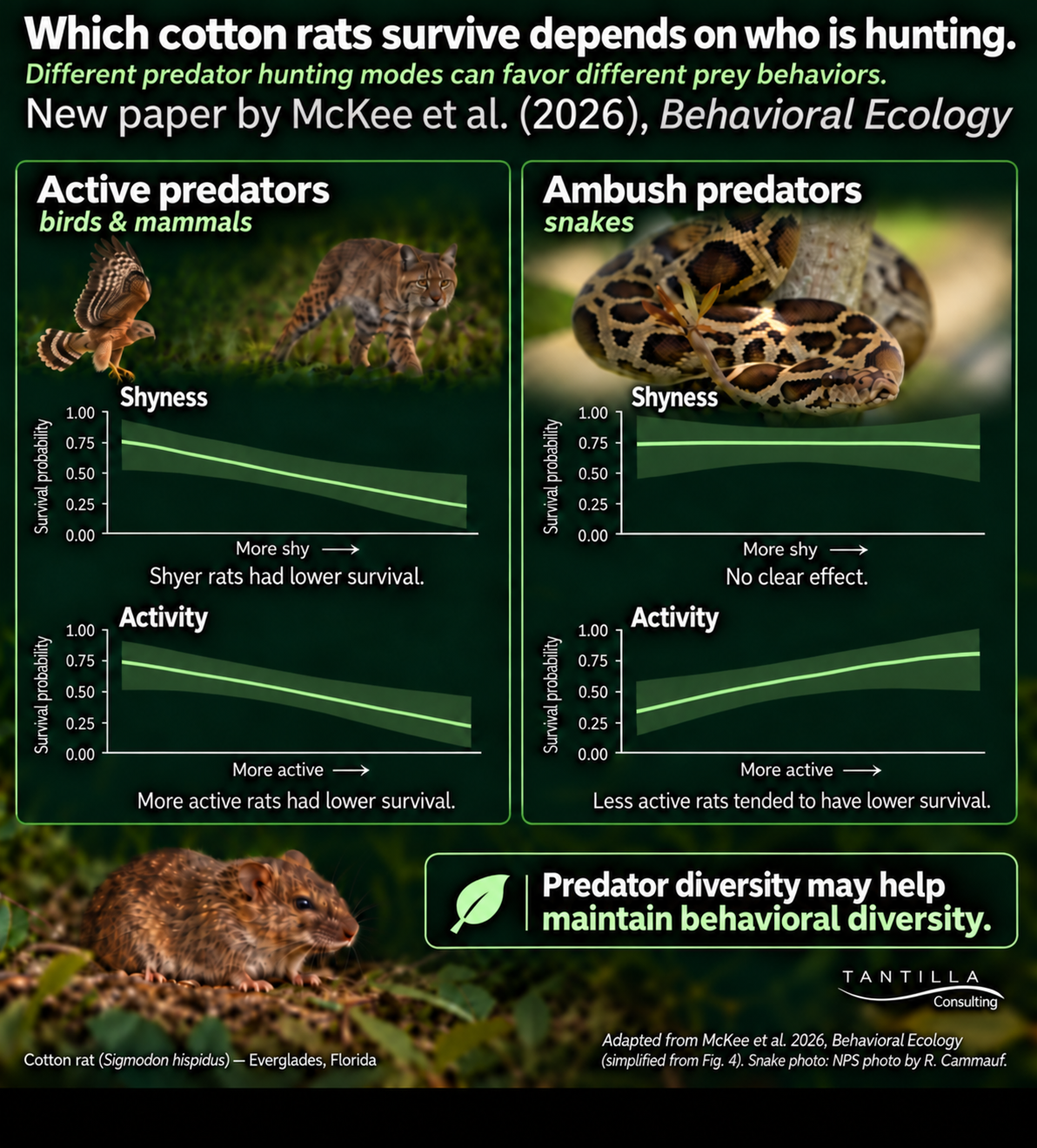
Burmese pythons do not only affect the animals they eat. By reducing mammalian predators such as raccoons and opossums, they may indirectly alter turtle nest predation in South Florida.

The 2012 PNAS study documented severe declines in several mammal species in Everglades National Park during the same period that invasive Burmese pythons became established and widespread.

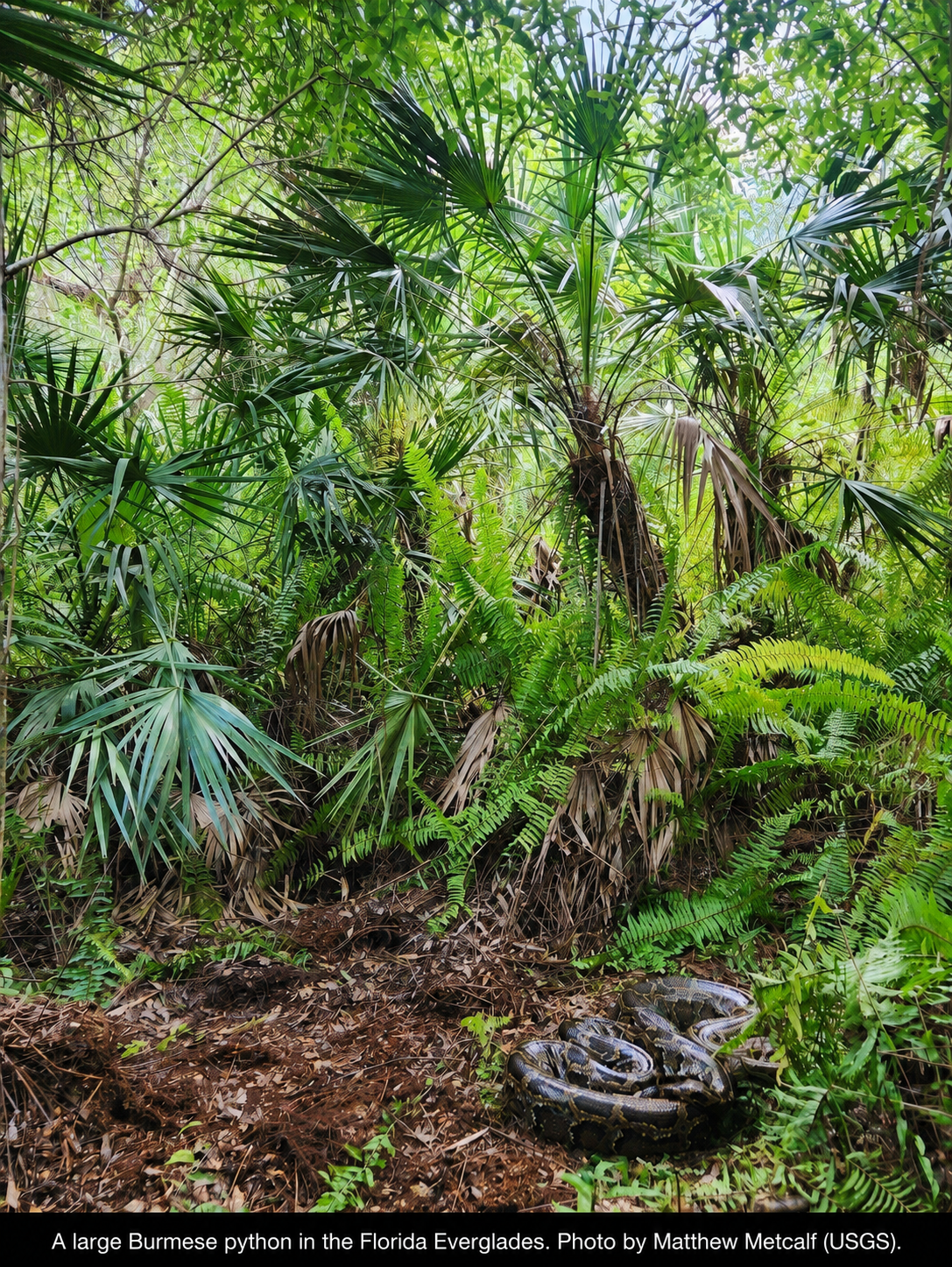
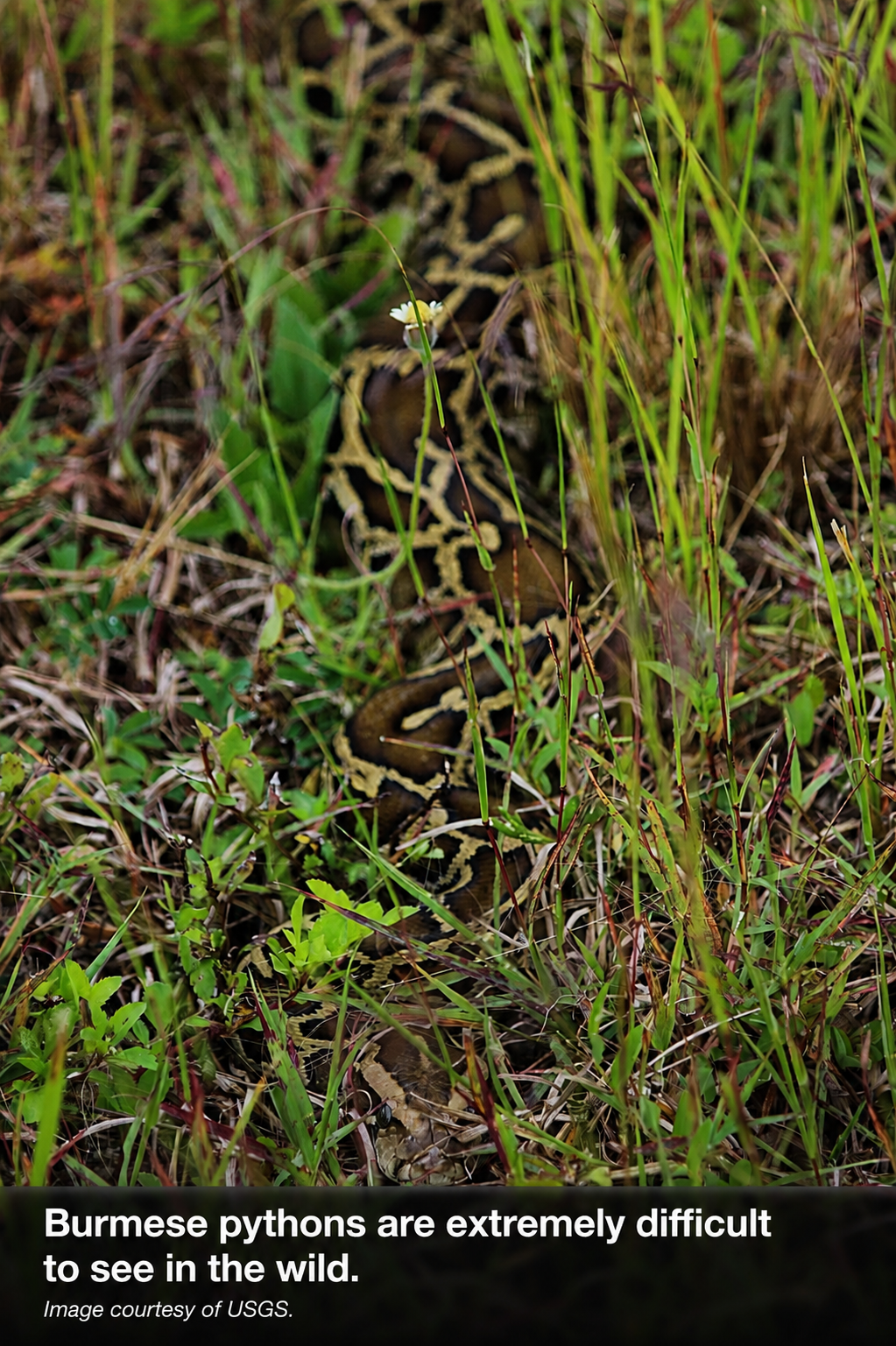
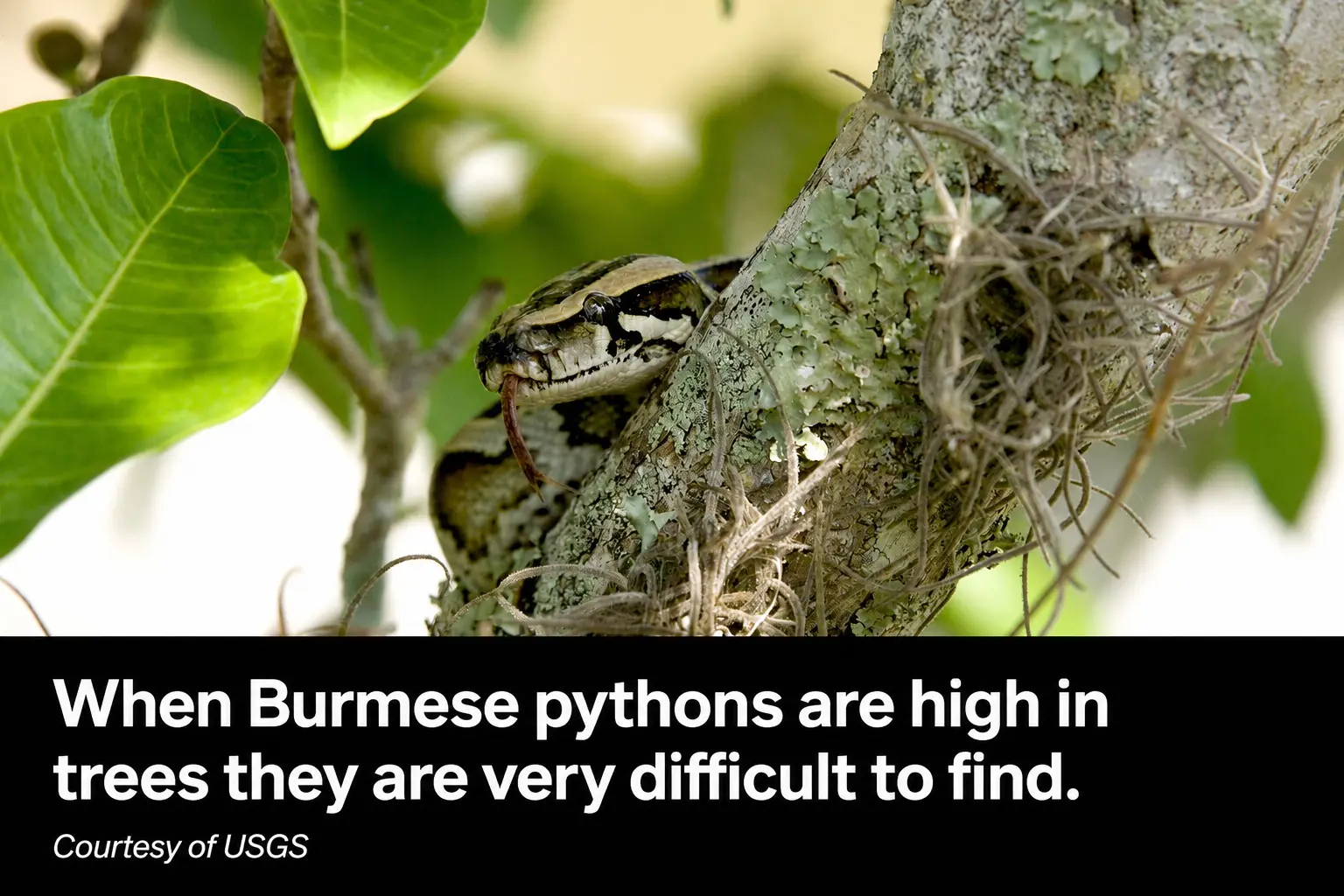
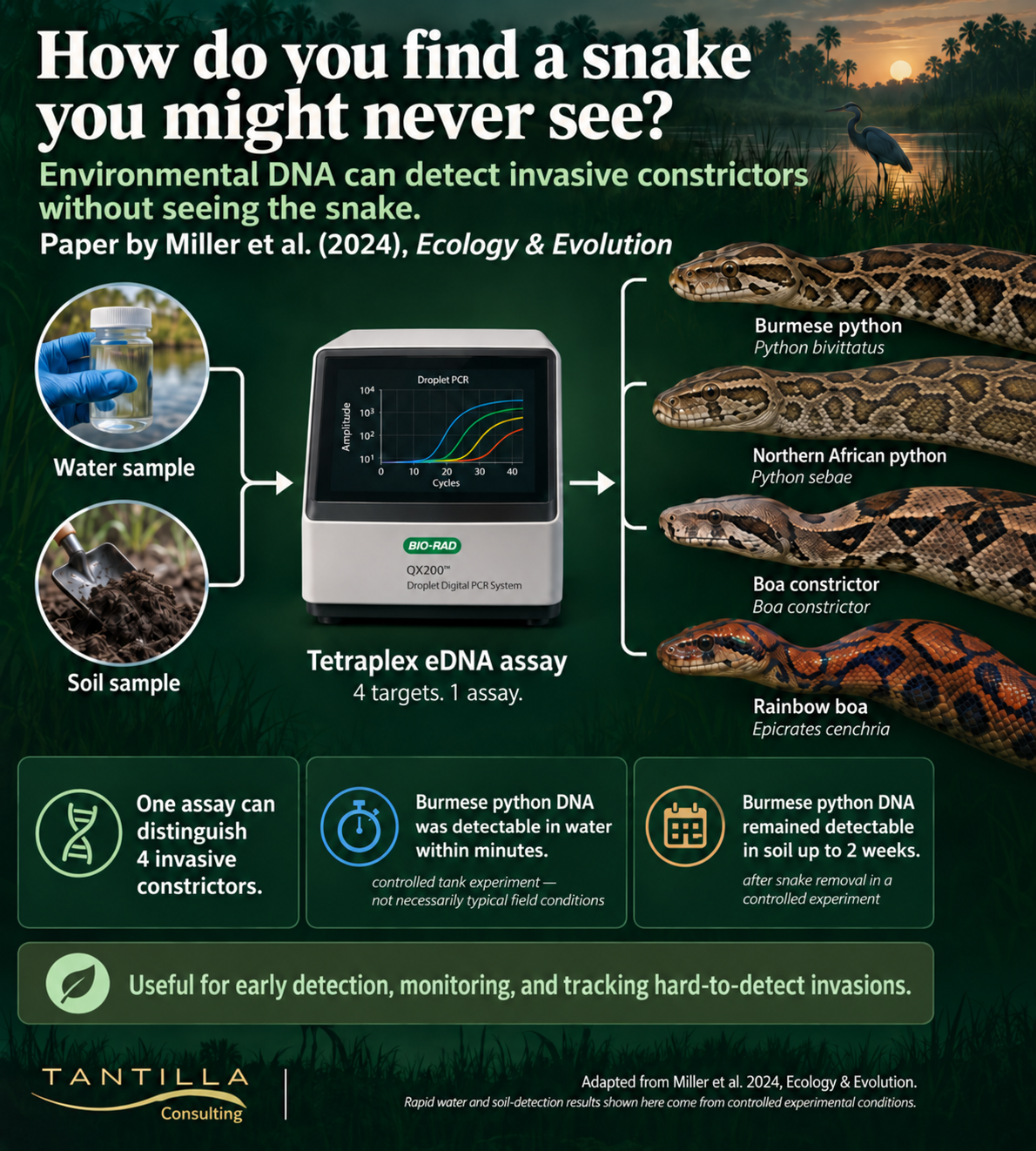
Burmese pythons are difficult to manage partly because they are so difficult to detect. A snake can be present, nearby, and still effectively invisible.

No reliable estimate exists for the number of Burmese pythons in Florida, largely because the snakes are cryptic, unevenly distributed, and extremely difficult to detect.

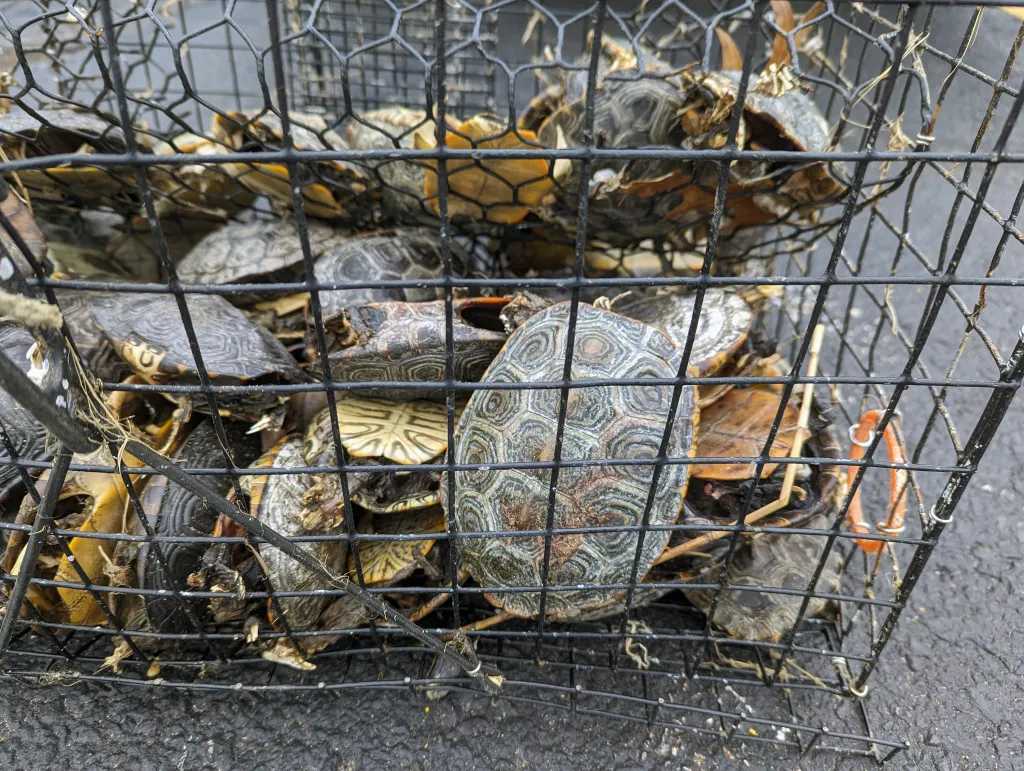
Sometimes the best bait for a turtle may be another turtle.That is not a management recommendation. It is a warning.Anyone who has trapped turtles for research has probably seen this. A turtle enters a trap, and soon other turtles are

Crab traps do not kill terrapins at random. In 2007, John Willson, Whit Gibbons, and I used 21 years of mark–recapture data from Kiawah Island to examine why a diamondback terrapin population was declining. The answer was visible not only

In 1983, J. Whitfield “Whit” Gibbons began a long-term mark-recapture study of terrapins living in the tidal creeks around Kiawah Island.The project is still going.Kristen Cecala and Cris Hagen, who now lead the work, recently captured a female terrapin at

Proofreading can correct surface errors, but it cannot repair weak reasoning, poor organization, or unsupported conclusions. This article explains the differences among proofreading, copyediting, substantive editing, and scientific editing—and how researchers can determine what their manuscript actually needs before submission.